The fear that will kill most dreams in 2026
The fear silently killing most dreams next year

Most people won’t fail because they lack ability.
They’ll fail because they never begin.
As 2026 approaches, millions of people will carry ideas they’ve been thinking about for years. Some will have plans written down, money saved, books read, and notes scattered across their phones. On the surface, it will look like preparation.
But very little will actually happen.
Not because they aren’t capable.
Not because the opportunity isn’t there.
But because of a quiet fear that feels responsible instead of destructive: the fear of starting imperfectly.
This fear doesn’t arrive as panic or self-doubt. It arrives as patience. It tells you that waiting is maturity, that refinement is wisdom, and that clarity must come before action. It makes hesitation feel like a smart decision.
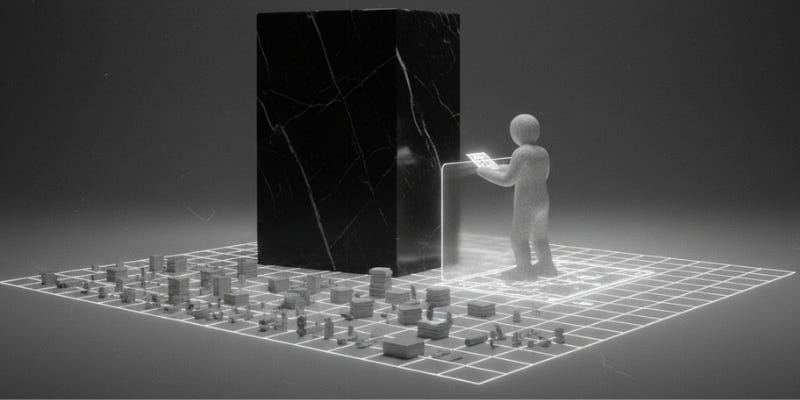
You watch others create, writing clearly, shipping products, building momentum—and without realizing it, you compare their finished work to your first attempt. Your ideas feel too small. Your voice feels unfinished. Your systems feel incomplete.
So you wait.
You wait for confidence.
You wait for clarity.
You wait for the moment when it all feels aligned.
And slowly, waiting becomes normal.
This is why this fear is so dangerous. It disguises itself as intelligence. It convinces you that inaction is strategy and that one more adjustment will make all the difference.
But time moves whether you act or not.
In 2026, this fear will quietly kill more dreams than lack of skill, money, or connections, not because people aren’t talented, but because they never give themselves permission to begin before they feel ready.
The internet rewards polish, but progress is built through friction. What you see online is the outcome, not the repetition, the uncertainty, or the early confusion that made it possible.
Every creator you admire once sounded unsure. Every system you respect starts to be fragile. Every clear message you trust was once incomplete.
The difference was never readiness.
It was a movement.
They acted before things made sense. They let feedback shape clarity instead of waiting for clarity to unlock action. They understood that confidence is not a prerequisite, it’s a result.
Waiting feels safe because it protects your identity. Starting feels risky because it exposes you. But safety is where momentum dies, and exposure, handled consistently, is where growth begins.
There is no perfect moment waiting for you in the future. There is only the moment where you decide to move with what you have and let learning happen along the way.
The real question isn’t whether you’re ready.
It’s whether you’re willing to start anyway.
2026 will be full of opportunity. It will also be full of hesitation. Most people will let invisible fear quietly decide for them.
You don’t have to.
Start while it still feels uncomfortable. Start before confidence arrives. Start with intention and structure, knowing that imperfection isn’t a weakness, it’s the entry point.
That’s how you survive the fear that kills most dreams.
Wesly Taverne